


Key Takeaways
- Assisted living offers housing, meals, care, and community all in one place.
- In-home care provides support at home but requires more coordination and separate costs.
- Full-time home care can end up costing more than assisted living when all expenses are added up.
- Signs like frequent falls, loneliness, or difficulty with daily tasks may point toward assisted living.
- Touring communities in person can help you get a real feel for what life there looks like.
Choosing Between Assisted Living and In-Home Care
When the time comes to think about extra support for yourself or someone you love, it can feel like a lot to sort through. Two of the most common options, assisted living and in-home care, each come with real benefits and real trade-offs. Dogwood Forest of Grayson understands how much this decision matters, and knowing what each option actually involves can make the process feel much less overwhelming.
Assisted living and in-home care both offer meaningful support, but the right choice depends on the level of care needed, the living situation, and how much connection and community matter to everyday life. If you’re starting to explore what senior living in Grayson, Georgia could look like, getting clear on the differences between these two paths is a great place to begin.
What Each Option Actually Looks Like
Assisted Living: A Full Community Experience
In an assisted living community, you or your loved one has a private apartment with meals, activities, and daily support already included. Staff are available around the clock, so help is always nearby when it’s needed. Social events, wellness amenities, and personal care all happen in one welcoming place.
This setup means less to manage and more time to enjoy each day. Instead of coordinating separate services, everything is already woven into daily life. For many seniors, that kind of support and community makes a big difference.
In-Home Care: Support in a Familiar Setting
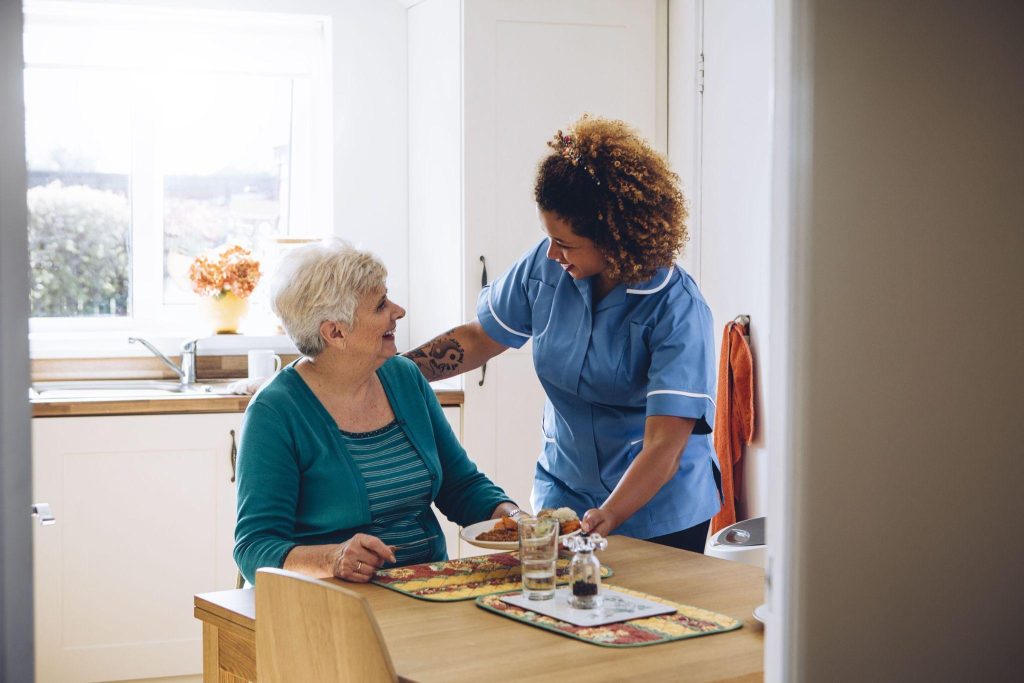
With in-home care, a caregiver comes to the home to help with tasks like bathing, meals, or getting around. These tasks are often referred to as activities of daily living, and the level of help needed with them often shapes which care option makes the most sense. Hours can range from a few visits per week to full-time coverage, depending on what’s needed.
This option can work well when someone needs only a little help and has a strong support network nearby. It allows the person to stay in a familiar space, which can feel comforting, especially in the earlier stages of needing care.
How the Costs Compare
What You Pay for Each Option
Assisted living typically comes with one monthly fee that covers housing, meals, care, and activities. In-home care is billed by the hour, and those hours can add up quickly as needs grow. When care is needed most of the day, the cost of in-home care can actually exceed the cost of assisted living. It’s also worth knowing that Medicare coverage for assisted living works differently than many people expect.
Hidden Costs Worth Knowing
Home care fees don’t include rent, groceries, or utilities, so those costs stay in place on top of caregiver fees. If the home needs modifications like grab bars, ramp installations, or other safety updates, those are added expenses too. Factoring in all of these costs gives you a much clearer picture of what each option truly involves. Some families also explore senior living financing options to help plan for the transition.
Signs It May Be Time for Assisted Living
Sometimes the signs are gradual. You might notice that cooking has become difficult, that medications are being missed, or that falls are happening more often. These are moments worth paying attention to, because they point to a need for consistent, nearby support. Learning about fall prevention for older adults can also help you assess how much risk is present at home right now.
Loneliness is another sign that often gets overlooked. When someone starts withdrawing from activities or spending most of their time alone, it can take a toll on their health and mood. A community environment offers daily connection, which can genuinely lift spirits and quality of life. Social isolation carries real health risks for older adults, and a consistent community can go a long way toward easing them.
When In-Home Care Still Makes Sense
If only a few hours of help are needed each day or week, in-home care can be a practical and comfortable fit. A strong network of family and friends who are actively involved can also make in-home care easier to sustain. The key is being honest about how much support is actually needed right now, and what might be needed down the road.
What to Think About Before You Decide
Key Questions to Ask Yourself
Start by thinking about the level of daily support that’s truly needed today. Then consider whether the home environment is safe and manageable as needs change. It’s also worth asking how much social connection and community life matter to overall happiness and well-being.
A Look at the Bigger Picture
Needs often shift over time, and a plan that works well today may need to be revisited in a year or two. If family members are the primary caregivers, it’s worth thinking about the weight that places on them as well. Caregiver burnout is real, and planning ahead can protect everyone involved.
Finding the Right Fit for Your Situation
The most helpful thing you can do is visit communities in person before making any decisions. Walk the grounds, ask about daily life for residents, and get a feel for the atmosphere. Questions about care levels, amenities, and how staff interact with residents can tell you a lot.
Dogwood Forest of Grayson offers senior living near Atlanta that’s worth exploring if you’re weighing your options. Schedule a visit to help the whole picture come into focus in a way that no brochure or website can.